Seeds and Supplies for Budget-Friendly Gardening
Essential growing supplies by category
Pick the right starters, containers, and soil blends without overspending on gear you don't need.

Buy once, grow for seasons.
Pick sturdy, washable supplies that survive multiple harvests without driving up your cost per pound of homegrown produce. Pair your gear with high-ROI crops from our crop profitability guide.
Prioritize washable materials
Choose polypropylene, food-grade HDPE, silicone, and stainless steel that can be sanitized in mild vinegar or soap every spring.
Calculate cost per harvest
A $20 durable tool used across 60 harvests costs 33 cents per harvest. A $6 disposable tool breaking after two uses costs $3 per harvest.
Standardize your sizes
Stick to standard 5-gallon and 10-gallon volumes and standard 1020 tray footprints so all saucers, covers, and trellises fit interchangeably.
Heavyweight 300g non-woven fabric bags (5 to 10 gal)
Brittle injection-molded black nursery pots
Pro tip: Fabric bags air-prune roots naturally, prevent root bound plants, and fold flat for winter storage—a practical staple for apartment & container gardening.
Double-walled sub-irrigated planter boxes (SIPs) or DIY 5-gallon bucket wicking setups
Shallow saucers that drown root zones or unvented standing-water decorative pots
Pro tip: Always drill an overflow weep hole 1 inch below the soil barrier so heavy rain drains automatically without waterlogging roots, or build your own with our DIY garden projects.
Thick silicone pop-out cells or standard 1020 bootstrap trays
Flimsy disposable plastic 6-packs that tear when flexed
Pro tip: Silicone bottom cells let you push root plugs up effortlessly without tearing delicate tender roots or snapping plastic corners.
Certified organic open-pollinated (OP) or heirloom seed packets from reputable seed houses
Expensive F1 hybrid single-season specialty packets if your goal is long-term seed independence
Pro tip: Save seeds from your 2 healthiest early tomato and bean plants to build zero-cost seed stocks tailored to your microclimate.
Multisowing 3-4 seeds per cell under light cover with bottom capillary watering
$4.99 single-herb nursery starter cups that quickly become root-bound
Pro tip: Basil needs warm soil (70°F+) to sprout in 5 days, while parsley benefits from a 12-hour warm water pre-soak to cut germination time in half.
Waterproof seedling heat mats paired with 2-inch to 3-inch deep nursery plug trays
Cold windowsill starting with shallow peat pellets that dry out rapidly
Pro tip: Tomatoes, peppers, and strawberries need sustained 75°F to 82°F root-zone heat; unplug heat mats immediately once green cotyledons emerge.
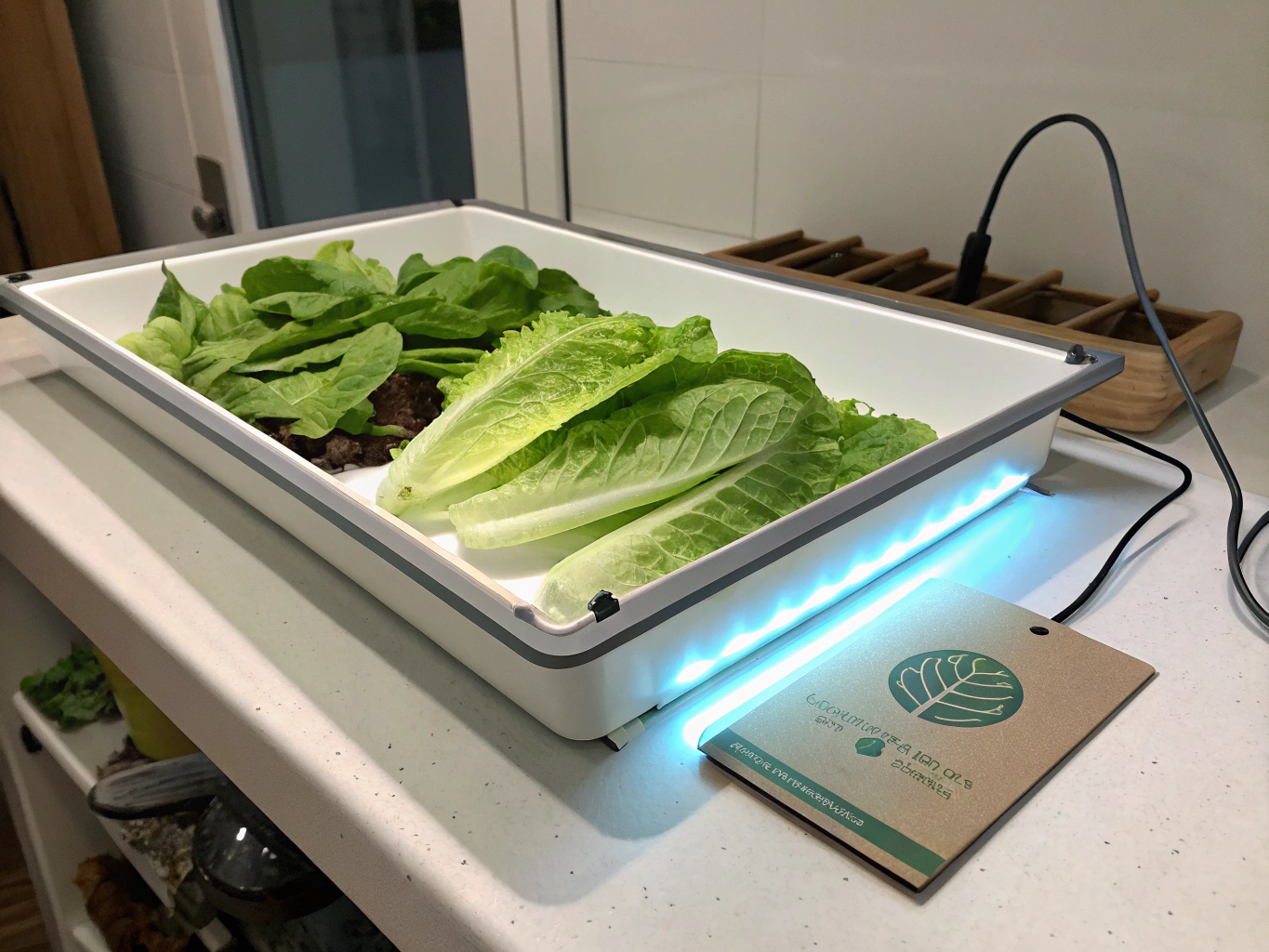
Full-spectrum 4-foot LED strip fixtures (30–40W actual draw, 4000+ lumens, 6500K daylight)
Overpriced purple blurple lights or low-output incandescent grow bulbs
Pro tip: Aim for 25 to 35 watts per square foot of tray coverage; standard 6500K daylight LEDs provide the blue spectrum needed to prevent leggy seedlings.
Heavy-duty rope ratchet hangers paired with simple 24-hour mechanical pin timers
Fixed non-adjustable overhead hooks or relying on manual daily light switching
Pro tip: Keep LED fixtures strictly 2 to 4 inches above the leafy canopy, adjusting upwards every 4 days as seedlings grow, running 14 to 16 hours daily.
Dedicated 32W LED bar running 16 hours daily on a timer during 6-week spring start
Relying on weak north/east windowsills resulting in spindly, low-yield transplants
Pro tip: A 32-watt LED running 16 hours a day uses just 0.51 kWh/day—check our guides & calculators to model electricity and seed-starting payback.
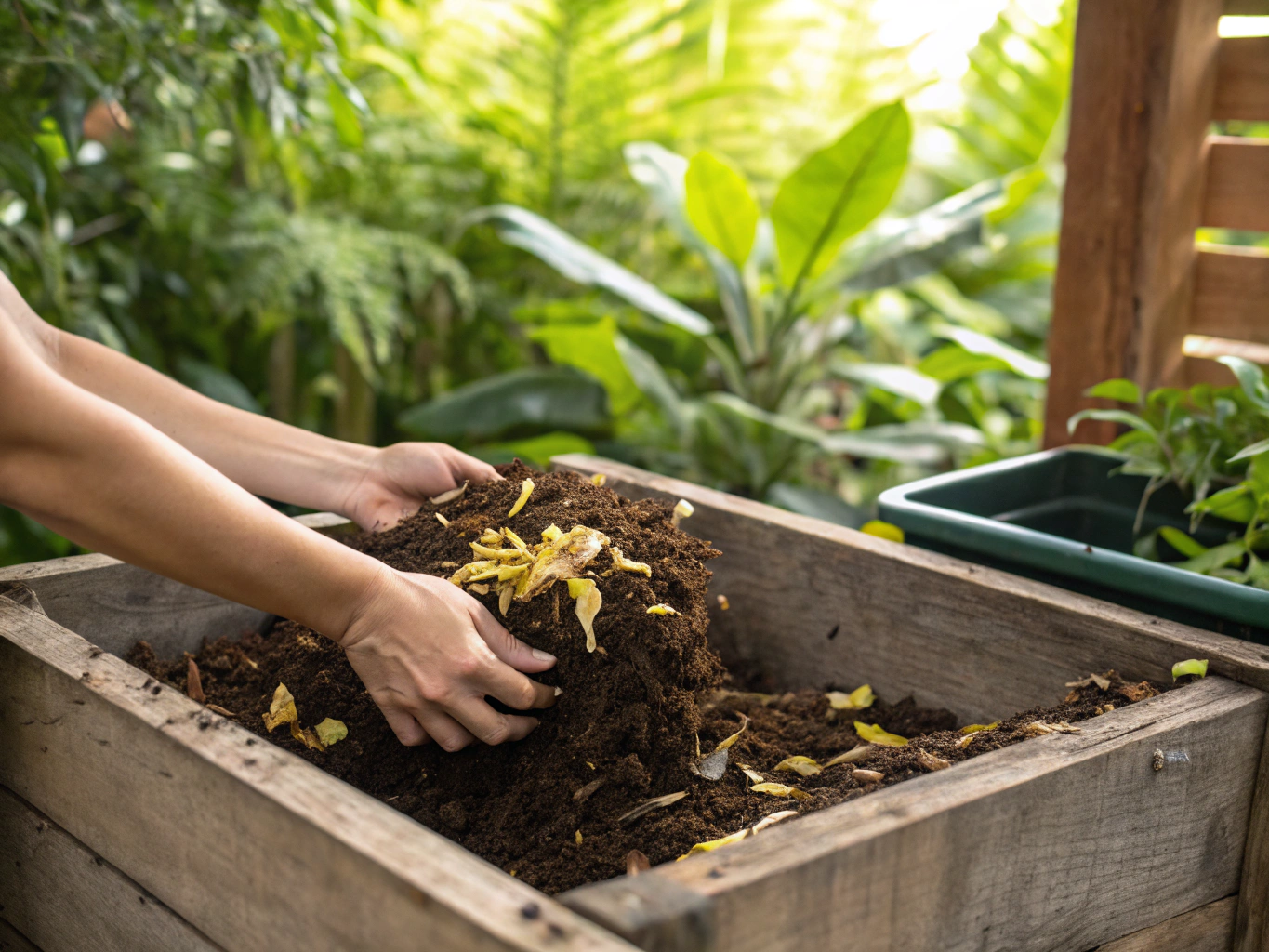
Compressed 3 cu. ft. coco coir blocks + bulk municipal or farm compost
Single-use 8-quart retail boutique potting mixes
Pro tip: Recharge old container soil every spring by stirring in 20% fresh compost and organic fertilizer rather than buying brand-new soil bags.
Bulk 4 cu. ft. coarse perlite or horticultural vermiculite bags
Small 4-quart retail bags with 300% markup or unwashed playground sand
Pro tip: Mix 15% to 20% coarse perlite into container blends to maintain oxygen channels even after repeated heavy overhead waterings.
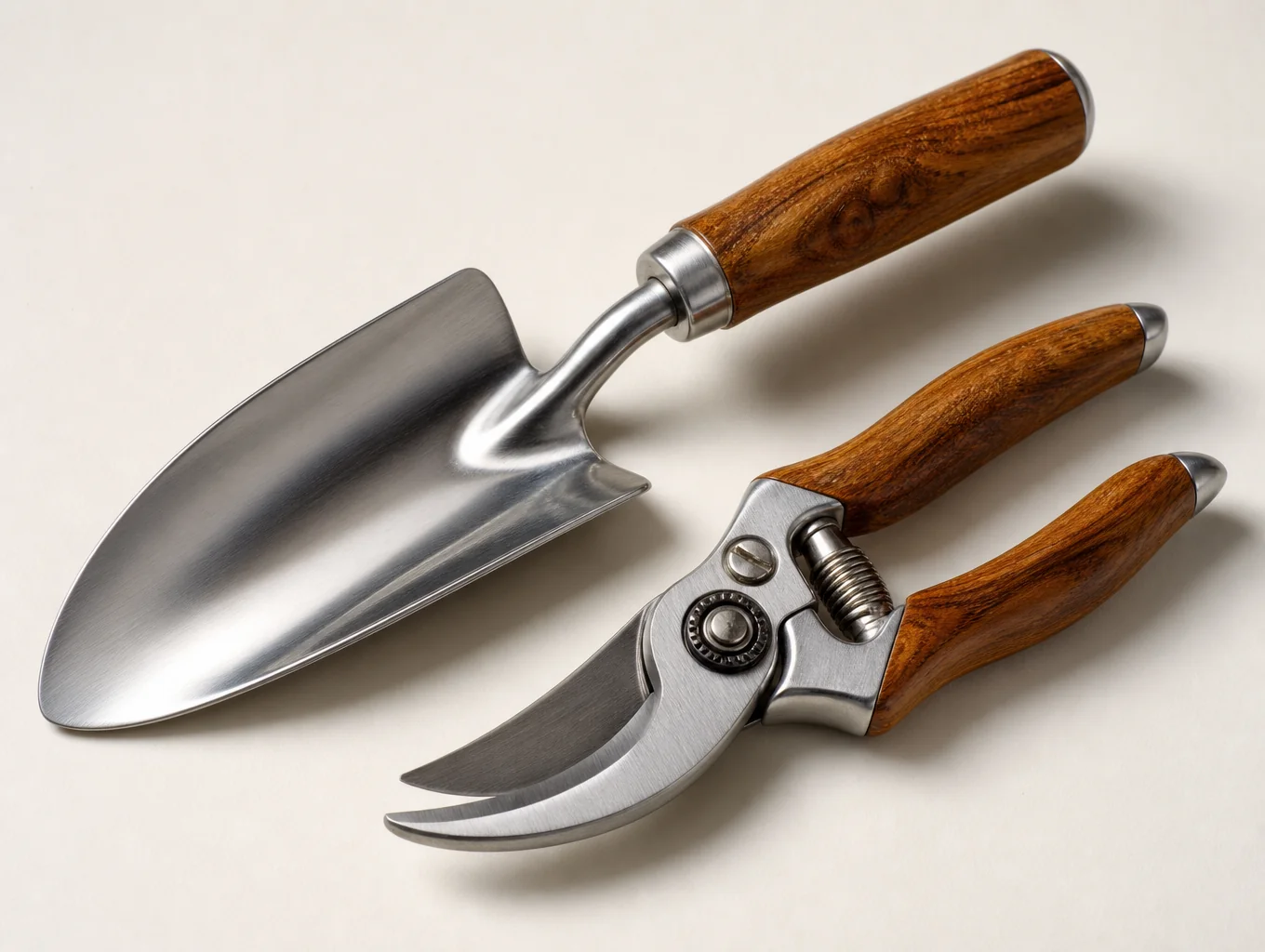
Single-tang forged carbon or stainless steel trowels
Cast aluminum or two-piece wooden-handle welded budget kits
Pro tip: A single solid-cast trowel with etched depth markers does the work of five cheap stamped gadgets without bending at the neck.
Bypass pruners with hardened SK5 carbon steel blades and standard volute springs
Anvil pruners that crush living green stems or cheap plastic-locking snips
Pro tip: Wipe blades with 70% isopropyl alcohol between tomato and pepper plants to stop bacterial speck and fungal spores from transmitting.
Galvanized wire mesh panels or durable jute netting
Thin conical ring tomato cages that bend under heavy crops
Pro tip: Cattle panels and mesh trellises stay rigid in heavy wind and fold flat or stack against garden walls between seasons.
Tangle-resistant 6-inch reach-through soft polyester netting anchored with steel T-posts
Thin green monofilament bird netting that tangles vines and traps garden wildlife
Pro tip: The 6-inch square openings let both hands reach straight through to pick hidden cucumbers and snap beans without tearing foliage.
Ready to calculate your setup budget?
Use our interactive guides & calculators to see exact payback windows, or check our DIY garden projects to build planters and trellises for less.